Start Here
If your lights flicker, the first question is whether it happens in one room, with one fixture, or across the whole house. A single lamp may just have a loose bulb or worn socket. But if several lights dim when a microwave, vacuum, or heater kicks on, your home may be showing signs of an overloaded circuit or a connection issue that needs attention.
Start by noting when the flickering happens. Does it come and go with wind, heavy appliance use, or certain switches? That detail helps narrow down whether the problem is inside the fixture, in the circuit, or at the panel.
Common Causes
Loose bulbs are the easiest fix. Turn the light off, let it cool, and tighten the bulb if it is safe to do so. If the fixture still flickers, the issue may be in the socket, switch, or wiring.
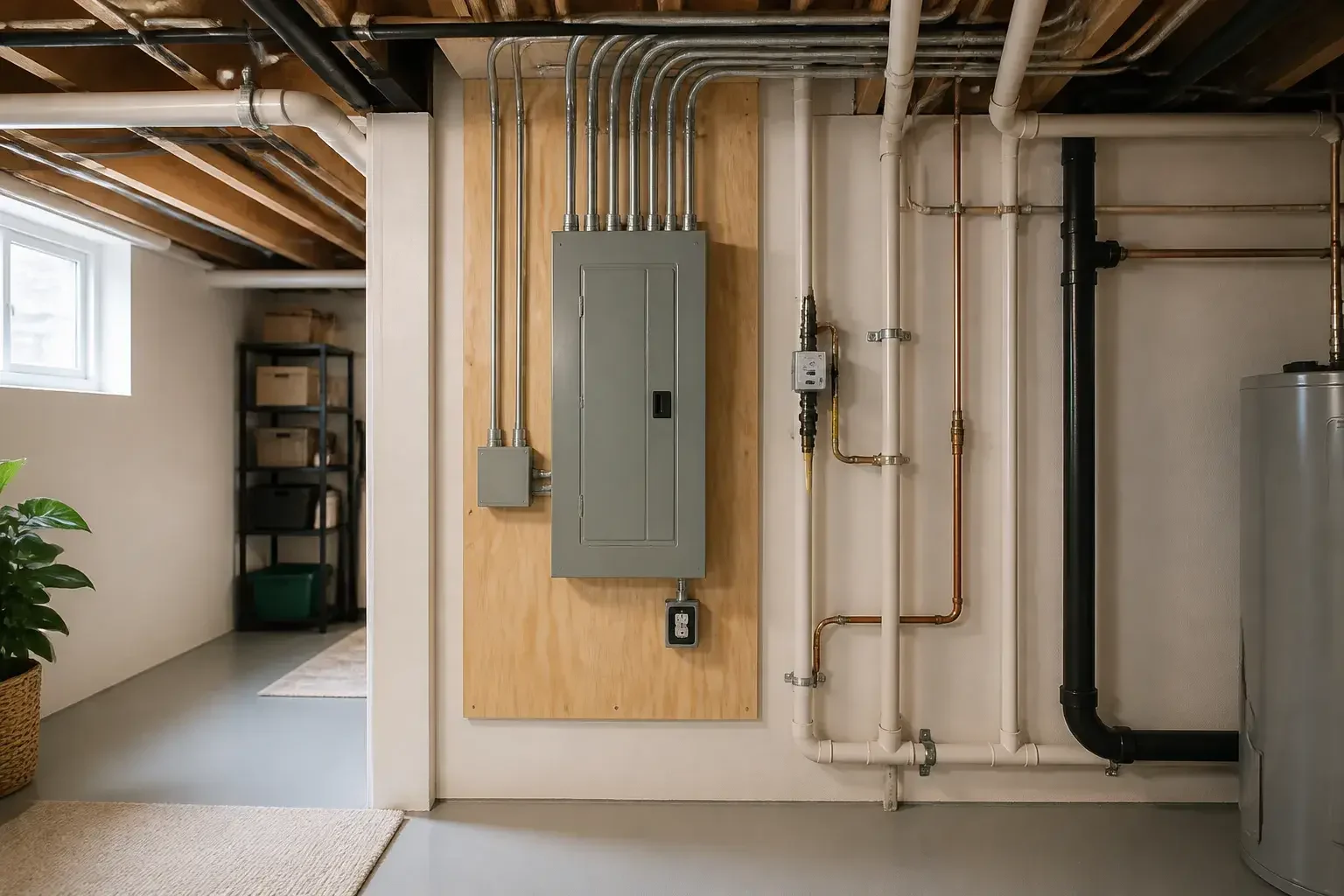
Dimming throughout the house can happen when a large appliance starts up, but repeated or strong flickering is not something to ignore. In Spokane homes, older wiring and aging panels can make that kind of symptom more common. If you notice buzzing, a burning smell, or a switch that feels warm, stop using that circuit and have it checked.
What To Do Next
For a one-off bulb issue, replacing the bulb may solve it. For repeated flickering, it is time to get an electrician involved. A local pro can inspect the light, switch, circuit, and panel to find the cause instead of guessing.
Northgate Electric helps Spokane homeowners track down electrical problems before they become bigger repairs. Whether the issue is in a single room or spread through the house, a proper diagnosis is the safest next step.